
Preventive vs. Corrective Maintenance: Keeping Downtime Down
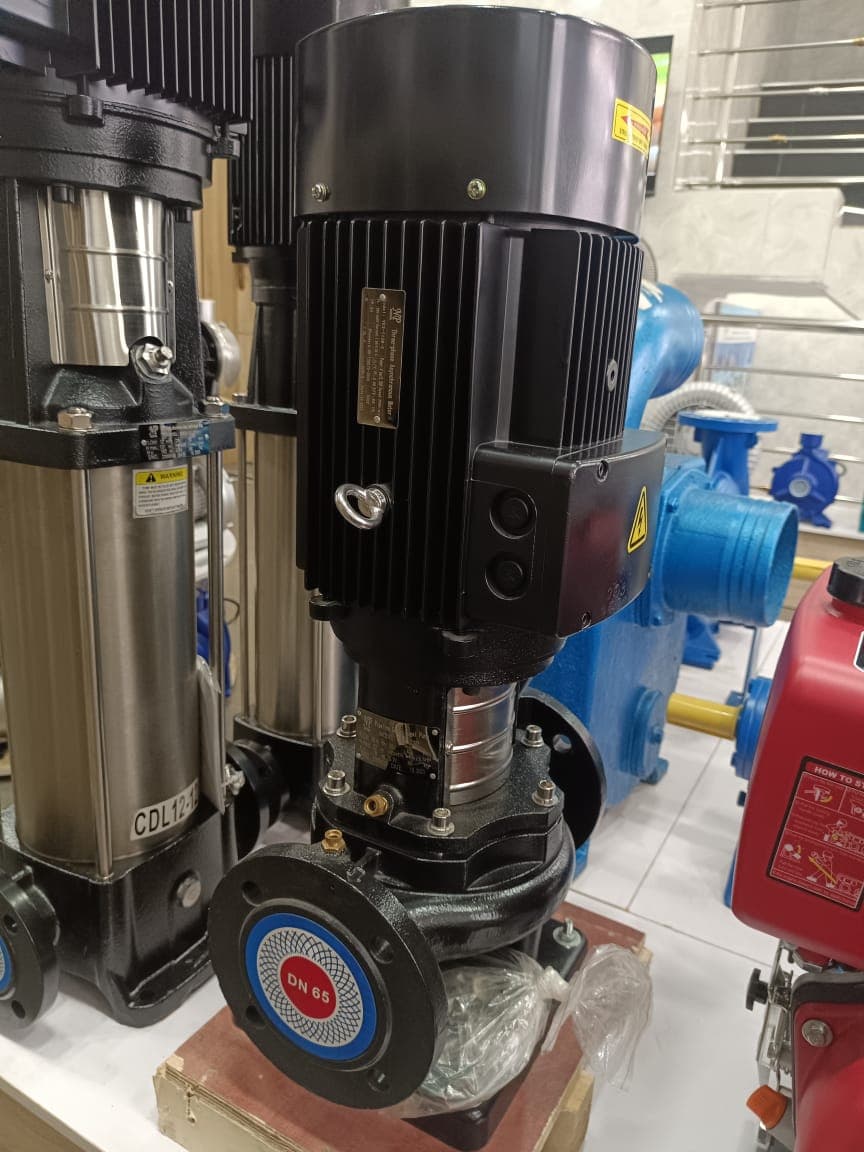
Two ways to maintain equipment
Corrective maintenance is what happens after something fails: the pump stops, production stops, and the repair happens under pressure. Preventive maintenance is scheduled servicing that finds wear before it becomes failure. Both are sometimes necessary — but a maintenance programme built only on corrective work is the most expensive way to run equipment.
What preventive maintenance actually involves
A practical preventive schedule for pumping equipment includes periodic inspection of seals and gaskets, bearing lubrication checks, monitoring of vibration and noise, verification of flow and pressure performance, and a visual review of pipework, fittings and electrical connections. None of these tasks is complicated — their value is in consistency.
Why corrective-only maintenance costs more
A failed mechanical seal can flood a pump bay. A seized bearing can destroy a motor. Emergency callouts, rushed part sourcing and unplanned production stoppages routinely cost several times what a scheduled service would have. The equipment that fails is also rarely the convenient one.
Building a realistic schedule
Maintenance intervals should follow the manufacturer guidance for the equipment and be adjusted for duty: a pump running twenty-four hours a day needs more frequent attention than one used occasionally. Keep simple records of each visit — they turn guesswork into a service history.
Easyflow provides preventive and corrective maintenance for pumping machines and associated equipment. Talk to us about a maintenance schedule for your site.