
Electric Motor Basics for Pump Applications
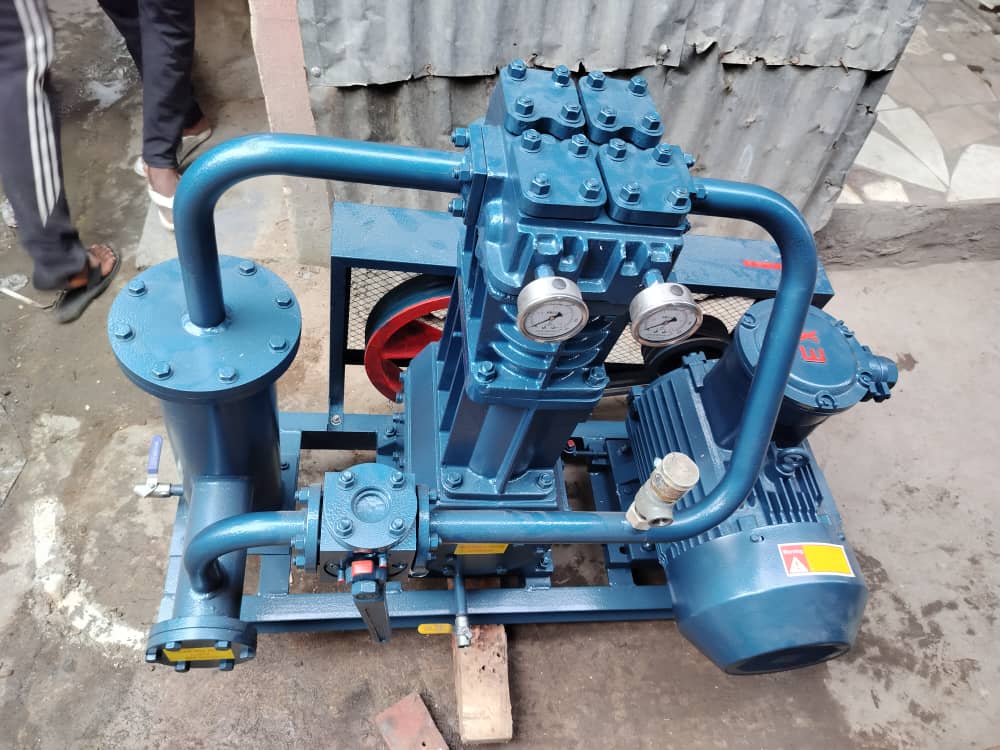
The motor and the pump are a system
A pump is only as good as the motor driving it. The motor must deliver the required power across the full duty range, tolerate the starting conditions, and keep doing so in the environment where the pump lives. Treating them as a single system is the starting point of good engineering.
Match the motor to the load
Every pump has a power requirement that follows from the flow and head it is producing. A motor that is too small will overheat and trip; one that is massively oversized wastes energy and operates inefficiently. The goal is a motor rated comfortably above the pump requirement, without excessive margin.
Respect the environment
Dust, moisture and corrosive atmospheres dictate the level of motor enclosure protection required. A motor on a dusty construction site or in a humid pump house needs appropriate protection — otherwise insulation degrades and failure follows, usually at the worst possible time.
Confirm the power supply
Voltage, phase and supply capacity must match the motor. Voltage drop on long cable runs is a frequent problem on large sites, and it causes motors to run hot and trip. Checking the supply before ordering equipment avoids an expensive retrofit.
Installation quality matters as much as the motor
Correct mounting, accurate coupling alignment and sound electrical connections determine whether a good motor gives good service. After any motor replacement, alignment should be re-verified — misalignment after a swap is one of the most common causes of premature coupling and bearing failure.
We supply industrial electric motors and support their installation and servicing. Request a quote with your application details.